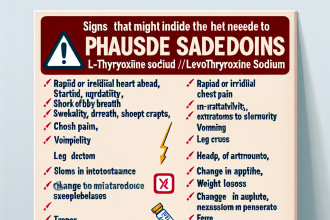


Integrating T3 (triiodothyronine) into your cutting cycle can be an effective strategy for enhancing fat loss and optimizing metabolic function. However, it is essential to approach this powerful thyroid hormone with caution and a well-structured plan. Below are the key steps to safely incorporate T3 into your cutting regimen.
The sports pharmacology shop https://somatotropincycle.com/ offers a wide selection of anabolic preparations with which you can achieve your goals faster and more safely.
1. Understand the Role of T3
T3 is a potent thyroid hormone that plays a significant role in regulating metabolism. It increases the basal metabolic rate, enhances protein synthesis, and promotes fat oxidation. Understanding its effects is crucial for maximizing its benefits during your cutting cycle.
2. Determine Your Dosage
When integrating T3, caution with dosage is paramount. Here’s a guideline for dosages:
- Begin with a low dose (25-50 mcg per day) to assess your body’s response.
- If needed, gradually increase the dosage by 12.5-25 mcg every few days, not exceeding 100-125 mcg per day.
- Monitor your body’s reactions and adjust accordingly; everyone’s sensitivity to T3 can differ.
3. Plan Your Cycle Duration
T3 should not be used continuously for extended periods. A typical cutting cycle might last from 4 to 8 weeks:
- For beginners, consider a 4-week cycle followed by a 4-week break.
- More experienced users may extend beyond 4 weeks, but should always prioritize health and recovery.
4. Combine with Other Fat Loss Strategies
T3 can be most effective when combined with other fat loss strategies:
- Maintain a caloric deficit tailored to your goals.
- Incorporate strength training and cardiovascular exercises into your routine.
- Ensure adequate protein intake to preserve lean muscle mass while cutting.
5. Monitor Your Health
Regular health check-ups are vital when using T3. Consider:
- Getting blood work done to monitor thyroid levels and overall health.
- Paying attention to symptoms of hyperthyroidism, such as increased heart rate and anxiety.
- Consulting a healthcare professional if you have any underlying health conditions.
6. Post-Cycle Considerations
After completing your cycle, it’s essential to support your thyroid function:
- Consider a post-cycle therapy (PCT) to help regulate hormonal balance.
- Focus on a nutrient-dense diet to support recovery.
- Be aware of potential weight rebound and prepare to adjust your diet accordingly.
By following these guidelines, you can safely integrate T3 into your cutting cycles, maximizing fat loss while prioritizing your health. Always remember that individual responses may vary, and consulting with a healthcare professional is recommended to tailor the approach to your personal needs.